
Overview
Haiti is a Caribbean nation in Americas, with Port-au-Prince as its capital and home to around 11,123,176 people. The currency is the Haitian gourde (HTG). The main languages are French, Haitian Creole. From its landscapes and cities to its cuisine and traditions, Haiti offers travelers a distinctive slice of the world to explore.
Capital
Port-au-Prince
Population
11.1M
Currency
HTG · Haitian gourde (HTG)
Languages
French, Haitian Creole
Timezone
GMT-5
Calling code
+509
History
Haiti has a rich history shaped by its position in Americas and the cultures of Caribbean, leaving a legacy visible in its landmarks, cities and traditions today.
Culture
Culture in Haiti is expressed through its food, festivals, music and daily rhythms — a warm invitation to experience local life first-hand.
Plan with confidence
Know before you go
Getting in & visas
Visa requirements
Haiti has open borders, which means that citizens of most countries can enter the country without a visa. The government is keen on improving Haiti's global image and is actively promoting the tourist industry.
Money & costs
The Haitian gourde is the currency of Haiti, denoted by the symbol "G" (ISO code: HTG). Although merchants are required to quote prices in gourdes by law, virtually everything is priced in "dollars" — not US but Haitian dollars, equivalent to 5 gourdes. This practice is a holdover from the US occupation of Haiti in the early 20th century, during which the gourde was pegged at G5 to the US dollar.
Getting around
Cars may be rented through Hertz, Avis, etc. Taxis in Haiti are usually in the form of SUVs or trucks, as most of the roads are long overdue for repairs, in addition to plethora of unpaved roads one faces while travelling in Haiti. The price is often fair (i.e., 450 gourdes from Port-au-Prince to Léogâne), but offers safety and comfort that cannot be found in riding tap-taps or buses.
Language
The official languages of Haiti are French and Haitian Creole (Kreyòl Ayisien), which is a French-based creole language, with 92% of the vocabulary being derived from French and the rest primarily from African languages. Haitian Creole is the native language of the masses, while French is the administrative language, even though only 15% of Haitians can speak it and only about 2% can speak it well.
Staying safe
Since the assassination of its president in 2021, Haiti has once again devolved into complete lawlessness. Several governments advise against all travel to Haiti. Violent crime and civil unrest are serious problems. Kidnapping is also a risk. In case of trouble, help from the outside world will be extremely limited.
Health
Sanitary conditions in Haiti are poor and medical care is woefully inadequate. If you get ill or injured whilst in Haiti, you may need to leave or be evacuated. Tap water should be avoided. Drink bottled water only. Washing oneself with water from places such as creeks or lakes is not recommended due to the risk of water-borne diseases. Several diseases can cause dehydration, as can sweating a lot because of the hot climate. Hydration requirements can be fulfilled by preparing one of the many water purifying systems as if one were going camping, or by buying bottled water once in Haiti; it is…
Local etiquette
One thing visitors to Haiti learn very quickly is that Haitians are a very friendly and down-to-earth people, despite all they have had to endure. There are some beggars and peddlars in the cities, but they are the exception not the rule. Expect no kow-towing. Impoverished Haitians will always accept gifts, but they will almost always stand straight, look you in the eye, and repay you with a sincere "Mesi" (thanks).
Practical guidance for Haiti is summarised from Wikivoyage (CC BY-SA). Always confirm official visa, health and safety requirements before you travel.
Getting around & staying connected
Cheapest ways to travel in Haiti
Ride apps & transport
- 1Uber
App-based cars with upfront fares — usually the cheapest metered ride in big cities.
- 2Lyft
Uber's main US/Canada rival — compare both for the lowest fare.
Ride-hailing coverage varies here — check whether these apps are live in your city before relying on them.
Cheapest SIM for foreigners
Local prepaid SIM
Buy a tourist SIM from an official operator kiosk at the airport (bring your passport) — usually the cheapest data.
eSIM (Airalo / Holafly) lets you get online the moment you land — handy if you don't want to queue for a SIM.
Prices and app coverage change often — figures are indicative for 2026, so confirm the current tourist plan in the app or at the airport kiosk.
Plan your trip
A route through Haiti
A suggested loop connecting Haiti's major cities by proximity — a practical order for a multi-city trip.
Where to go
Top cities


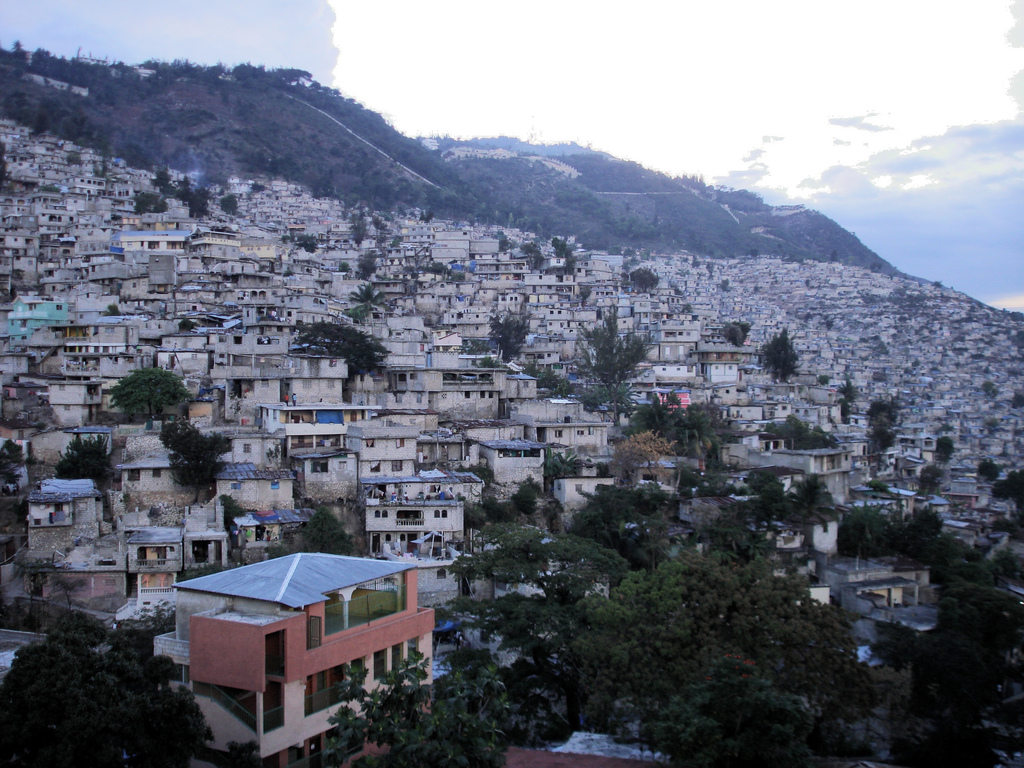


In pictures
Haiti gallery
Location
Find it on the map
Plan your trip
Estimate your budget
Trip budget estimator
Estimated total (your figures)
$3,160
≈ $1,580 per person · $451 per day
This tool only multiplies the numbers you enter — no prices are assumed.
Good to know
Frequently asked questions
Keep exploring


