Overview
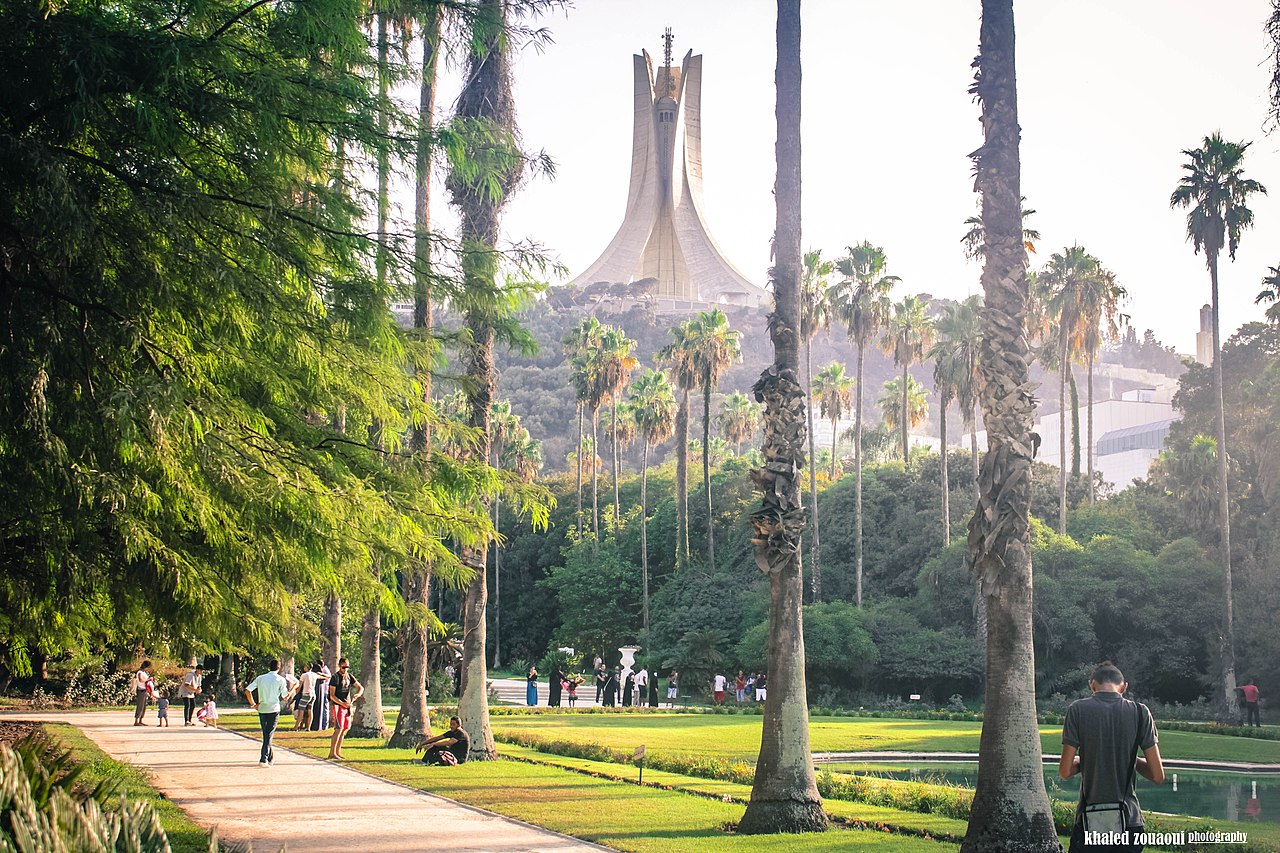
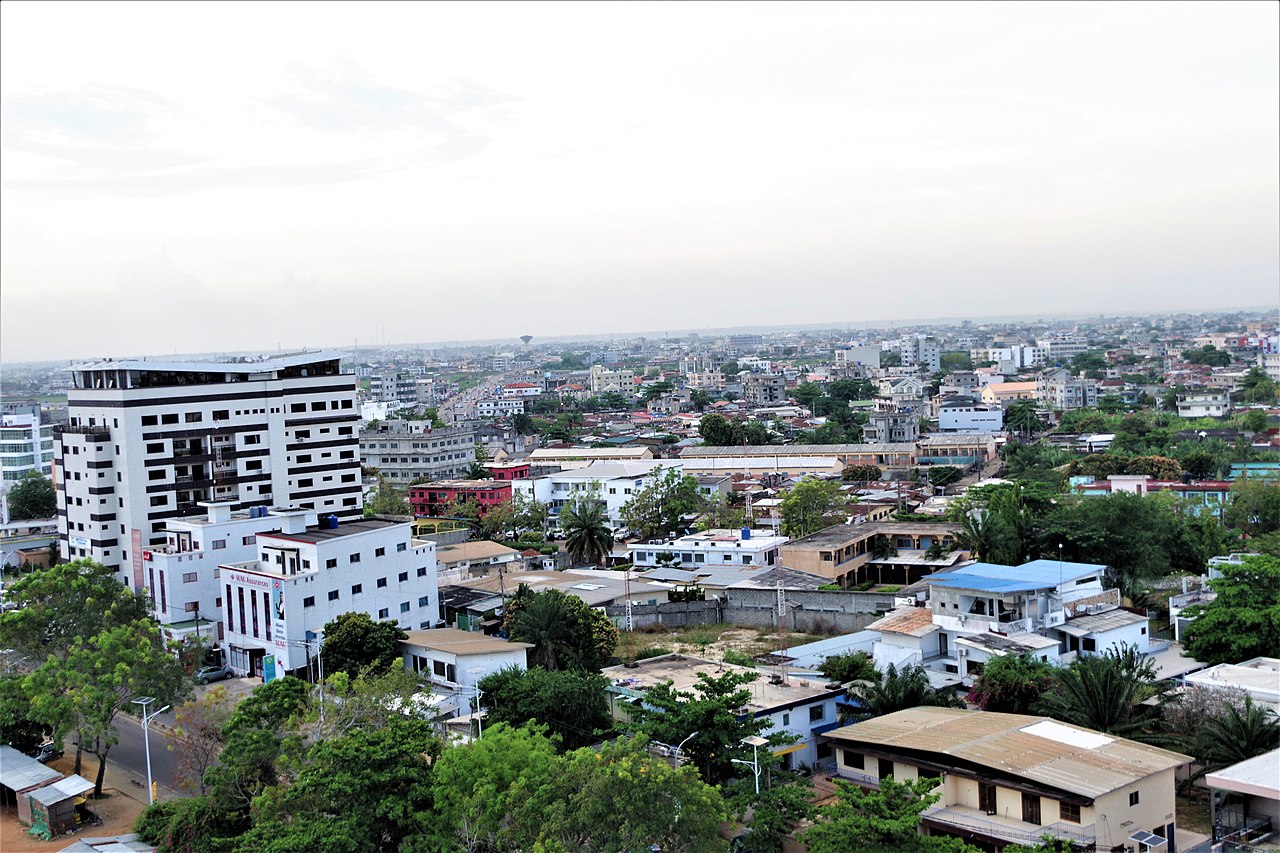
Burundi is a Eastern Africa nation in Africa, with Gitega as its capital and home to around 11,175,378 people. The currency is the Burundian franc (BIF). The main languages are French, Kirundi. From its landscapes and cities to its cuisine and traditions, Burundi offers travelers a distinctive slice of the world to explore.
Capital
Gitega
Population
11.2M
Currency
BIF · Burundian franc (BIF)
Languages
French, Kirundi
Timezone
GMT+2
Calling code
+257
History
Burundi has a rich history shaped by its position in Africa and the cultures of Eastern Africa, leaving a legacy visible in its landmarks, cities and traditions today.
Culture
Culture in Burundi is expressed through its food, festivals, music and daily rhythms — a warm invitation to experience local life first-hand.
Plan with confidence
Know before you go
Getting in & visas
Immigration and visa requirements
All nationalities require a visa to visit Burundi except citizens of Uganda, Rwanda, Kenya, Tanzania, and the Democratic Republic of the Congo. In Europe, visas are available from the Burundi Embassy in London UK as well as embassies in Berlin, Brussels and The Hague. A 30-day tourist visa from the Burundi Embassy in London costs £60. Embassies elsewhere provide a 30 day multiple-entry visa for USD90.
Money & costs
The currency is the Burundian franc, denoted by the symbol "FBu" (ISO code: BIF). Banknotes in Burundi are issued in denominations of 50, 100, 500, 1,000, 2,000, 5,000 and 10,000 francs.
Shopping
Burundi is endowed with very flourishing craftsmanship, with unique delicate and attractive shapes.
Getting around
Road and water transport are the main ways for getting around. There are no railways in the country, and the airport in Bujumbura is the only one with scheduled flights (all international).
By bus
There are buses between Bujumbura and other cities in the country.
Language
Although most travellers will find that they can get around passingly well with a working knowledge of French and increasingly English, some familiarity with Swahili or the related local language, Kirundi, is helpful, particularly in rural areas. The problem may be that Kirundi is extremely difficult to learn. Kirundi and Kinyarwanda (the official language in Rwanda) are quite similar.
Staying safe
Although some semblance of normality has returned to much of the country with the conclusion of the nation's democratic transition and a democratically chosen head of state in 2005, there is still significant insecurity throughout the country and travellers should exercise extreme caution. Besides the still-active rebel group, the Forces Nationales de la Libération (FNL) that continues to attack government forces and civilians, threats posed by banditry and armed robbery, as well as petty crimes, remain. Visitors should exercise caution, avoid travelling after dark, and be aware of curfew laws…
Health
Be careful of kiosk foods and avoid unboiled water. Also ensure you have been vaccinated. As in many other African countries, HIV infection is widespread. In 2012, UNICEF estimated that 1.3% of the adult population is living with HIV.
Local etiquette
As is the case in all African countries, Burundi is a hierarchial society, which means that respect for elders is important. Always treat an older person/authority figure with a great degree of respect, and do not do anything that would make an older person/authority figure feel challenged.
Practical guidance for Burundi is summarised from Wikivoyage (CC BY-SA). Always confirm official visa, health and safety requirements before you travel.
Getting around & staying connected
Cheapest ways to travel in Burundi
Ride apps & transport
- 1Bolt
Estonian rival to Uber, typically 10–20% cheaper; also e-scooters and bikes.
- 2Yango
Yandex's international brand — cheap cars across Africa and the Middle East.
- 3inDrive
Name your own fare and let nearby drivers accept or counter — great for tight budgets.
Ride-hailing coverage varies here — check whether these apps are live in your city before relying on them.
Cheapest SIM for foreigners
Local prepaid SIM
Buy a tourist SIM from an official operator kiosk at the airport (bring your passport) — usually the cheapest data.
eSIM (Airalo / Holafly) lets you get online the moment you land — handy if you don't want to queue for a SIM.
Prices and app coverage change often — figures are indicative for 2026, so confirm the current tourist plan in the app or at the airport kiosk.
Plan your trip
A route through Burundi
A suggested loop connecting Burundi's major cities by proximity — a practical order for a multi-city trip.
Where to go
Top cities



In pictures
Burundi gallery
Location
Find it on the map
Plan your trip
Estimate your budget
Trip budget estimator
Estimated total (your figures)
$3,160
≈ $1,580 per person · $451 per day
This tool only multiplies the numbers you enter — no prices are assumed.
Good to know
Frequently asked questions
Keep exploring